

Capital Gains Questions Are Growing for Home Sellers — Here's What You Need to Know
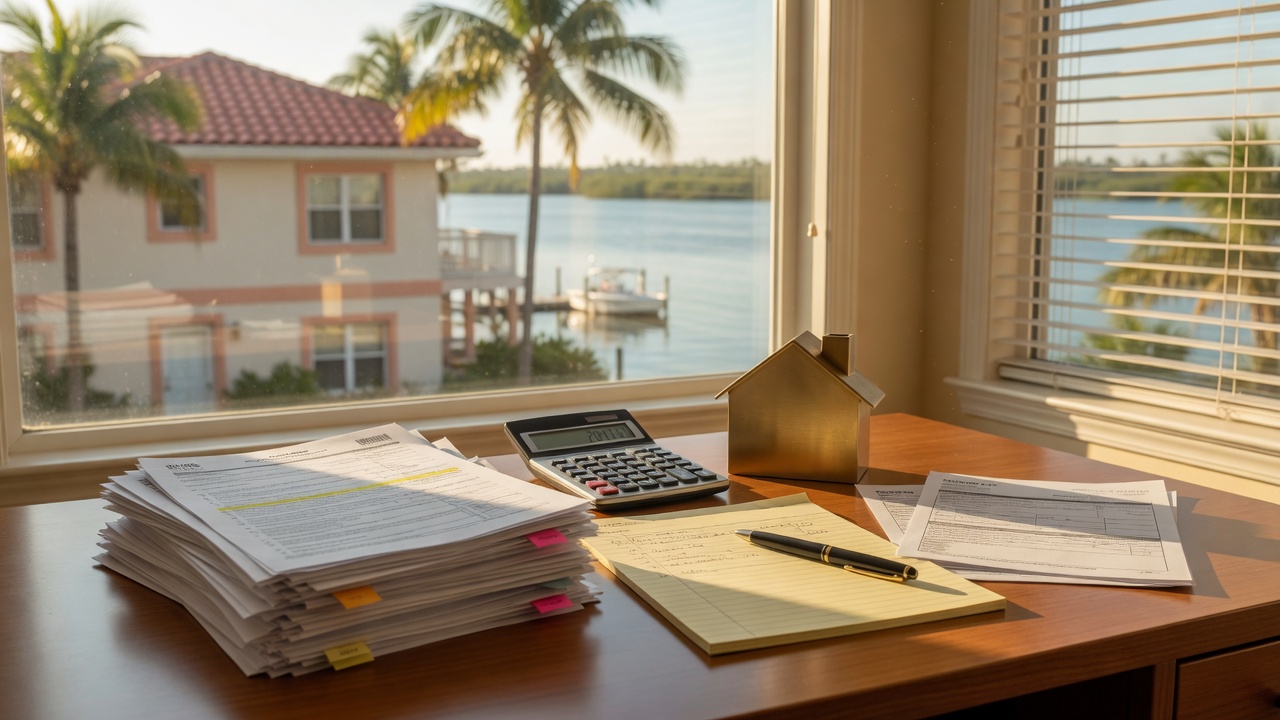
If you're thinking about selling your home, there's a good chance you've heard someone mention capital gains tax — or maybe you've started Googling it yourself. You're not alone. Questions about capital gains on home sales have been rising among sellers across Florida, and for good reason. Understanding how the tax works, what you can exclude, and what might change is an important part of planning a successful sale.
What Is the Capital Gains Exclusion on Home Sales?
Under Section 121 of the Internal Revenue Code, most homeowners can exclude a significant portion — or all — of the profit from the sale of their primary residence from federal capital gains taxes. Here are the current rules:
Current Section 121 Exclusion Limits
- Single filers: Exclude up to $250,000 in capital gains
- Married filing jointly: Exclude up to $500,000 in capital gains
- Ownership & use test: You must have owned and lived in the home as your primary residence for at least 2 of the last 5 years before the sale
- Frequency: The exclusion can generally only be claimed once every 2 years
For the majority of homeowners, this exclusion means they owe little to no capital gains tax when they sell. If you bought a home for $300,000 and sold it for $500,000, a married couple could potentially exclude the entire $200,000 gain — well within the $500,000 limit.
But not every seller falls neatly within those limits. And that's where the questions are growing.
Why Are Sellers Asking More Questions?
There are several reasons capital gains questions are picking up among home sellers right now:
- Rising home values. In many Florida markets, including Sarasota, long-term homeowners have seen significant appreciation. If your home has gained more than $250,000 or $500,000 in value since you purchased it, the capital gains exclusion may not cover your entire profit.
- Legislative attention. The capital gains exclusion has come up in broader tax policy discussions in Congress. While no changes have been enacted as of this writing, the possibility of modifications — whether to the exclusion amount, eligibility rules, or how gains are calculated — has prompted many sellers to ask: "Will this still be available when I sell?"
- Inherited and investment properties. Sellers who inherited a home or used it partly as a rental may have different tax obligations, including questions about depreciation recapture and step-up in basis at death — topics that are more complex and often require professional tax advice.
- Lifestyle transitions. Downsizers, relocators, and families navigating life changes want to understand the full financial picture before they list. Knowing your tax position helps you plan your next move with confidence.
What Sarasota Sellers Should Consider
Sarasota's real estate market has rewarded long-term homeowners with strong appreciation. For sellers who purchased coastal, barrier island, or luxury properties years ago, the gain on sale could be substantial. That makes understanding your tax position especially important.
Before You List, Review These Key Points
- Calculate your potential gain. Subtract your original purchase price (plus qualifying improvements) from your expected sale price. If that number exceeds the exclusion limit, you may owe capital gains tax on the difference.
- Check your residency timeline. Make sure you meet the 2-out-of-5-year ownership and use test. If you've been renting the property or haven't lived there recently, you may not qualify for the full exclusion.
- Document your improvements. Capital improvements — like a new roof, kitchen remodel, or addition — can increase your cost basis and reduce your taxable gain. Keep receipts and records.
- Consult a tax professional. Every seller's situation is different. A CPA or tax advisor can help you understand your specific obligations, especially if you've owned multiple properties, inherited a home, or used the property for rental income.
How This Affects Your Pricing and Timing Strategy
Understanding your capital gains position isn't just a tax exercise — it directly impacts your net proceeds and can influence when and how you choose to sell. For example:
- If your gain falls within the exclusion limits, you may have more flexibility on pricing because you're not losing a portion of your profit to taxes.
- If your gain exceeds the exclusion, tax planning becomes part of your overall strategy — and timing the sale strategically can make a meaningful difference.
- If you're downsizing from a high-value property, understanding your net proceeds after taxes helps you determine what you can realistically afford in your next home.
This is one of the reasons I encourage sellers to have a conversation early — not just about market conditions and listing strategy, but about the full picture of what this move means financially.
Bottom Line
Capital gains questions are growing among home sellers — and that's a good thing. Understanding your tax position before you list puts you in a stronger, more confident position to make decisions. The Section 121 exclusion remains a powerful benefit for most homeowners, but it's not one-size-fits-all.
If you're considering selling your home in Sarasota, Longboat Key, Lakewood Ranch, or anywhere along the Gulf Coast, I'd be happy to connect you with the right professionals to make sure you understand the full financial picture. And when you're ready, we'll build a listing strategy that accounts for every detail — including your bottom line.
Thinking about selling? Let's start with a conversation about your goals.
Schedule a Conversation with JimDisclaimer: This article is for informational purposes only and does not constitute tax, legal, or financial advice. Tax laws and exclusions are subject to change. Always consult a qualified tax professional or CPA for advice specific to your situation.
Source: This article references reporting from Florida Realtors on growing questions from home sellers about capital gains tax obligations and the Section 121 exclusion.

Recommended Next Steps
Deepen your understanding with these related resources.
 Related Topic
Pricing Missteps Cost Sellers at Closing — Here's How to Get It Right
New data shows that pricing mistakes are the biggest factor eating into seller profits. Here's what Sarasota and Manatee County sellers need to know about pricing strategy.
 Going Deeper
How to Prepare Your Home for Sale in Sarasota
Staging, decluttering, repairs, and curb appeal strategies that help Sarasota homes sell quickly and at the best price.
 Market Update
Is Now a Good Time to Buy or Sell in Sarasota?
Understanding current market conditions, interest rates, inventory levels, and what they mean for buyers and sellers in the Sarasota and Manatee County area.
 Market Update
Sarasota Market Update: What Buyers and Sellers Should Know
A current look at inventory trends, pricing, interest rates, and what both buyers and sellers should consider in the Sarasota and Manatee County market.
You May Also Be Wondering...
Natural follow-up questions to deepen your understanding.